

America’s Top Independent Research Firm

World Biggest Marketplace

Top Developers Independent Research Firm

Top Mobile Development Market Place

Top B2B Research and Review Platform

Building Amazing Products

The Impact of Biometric Technology: Enhancing Security and Identity Verification

The Impact of Biometric Technology: Enhancing Security and Identity Verification

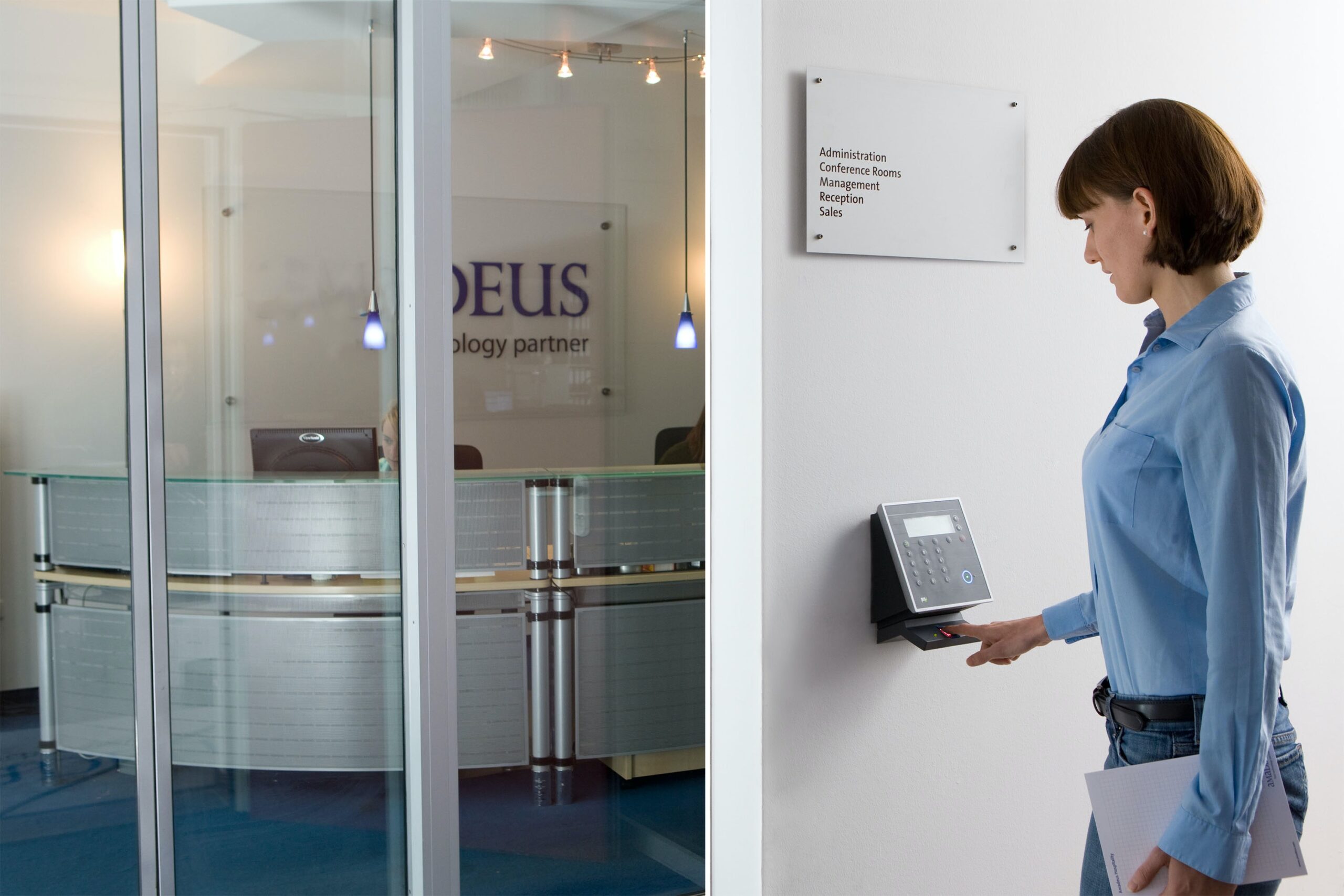
In today’s digital age, biometric technology has emerged as a groundbreaking solution for enhancing security measures and identity verification across various industries. Leveraging unique biological characteristics such as fingerprints, facial features, iris patterns, and voice recognition, biometrics offers unparalleled accuracy and reliability in confirming an individual’s identity.

According to recent studies by Market Research Future, the global biometrics market is projected to witness substantial growth, with an estimated CAGR of over 15% in the coming years.

The Evolution of Biometric Technology

Discuss the historical background of biometrics and its evolution from traditional methods to advanced technologies like fingerprint scanners, facial recognition, iris scanning, and voice authentication. Highlight key milestones and technological advancements in the field.

Benefits of Biometric Technology

Explore the advantages of biometric technology in enhancing security measures, including its accuracy, speed, and convenience compared to traditional methods like passwords or PINs. Emphasize how biometrics help prevent identity theft, fraud, and unauthorized access, especially in sensitive areas like banking, healthcare, and government sectors.

Applications Across Industries

Detail the diverse applications of biometric technology in various sectors, such as banking and finance (ATM authentication, secure transactions), healthcare (patient identification, access control), travel and immigration (border security, e-passports), and more. Illustrate real-life scenarios where biometrics play a crucial role in improving security and streamlining processes.

Challenges and Future Trends

Discuss the challenges associated with biometric technology, such as privacy concerns, data security, and potential biases. Highlight ongoing research and emerging trends like behavioural biometrics, multimodal biometrics, and the integration of AI and machine learning for enhanced accuracy.

Conclusion

In conclusion, biometric technology stands as a transformative force in bolstering security measures and revolutionizing identity verification processes. As the landscape continues to evolve, businesses and industries are increasingly adopting biometrics to ensure robust security and seamless user experiences. Partnering with technology experts like Coding Brains can provide innovative solutions tailored to harness the potential of biometric technology for your specific needs.



written by Faiz Akhtar for Coding brains section(s).

Unleashing the Power of Big Data Analytics in Business: A Path to Growth

Unleashing the Power of Big Data Analytics in Business: A Path to Growth

In today’s fast-paced digital landscape, businesses are constantly inundated with vast volumes of data. This influx of information, known as big data, presents both a challenge and an opportunity. Leveraging big data analytics has become a pivotal strategy for companies aiming to extract valuable insights, make informed decisions, and drive growth.

According to recent research by Gartner, over 75% of organizations are investing or planning to invest in big data analytics to enhance their business operations and gain a competitive edge.

Big data analytics encompasses the processes and technologies used to analyze large and complex datasets, uncovering patterns, correlations, and trends that can aid decision-making. Businesses accumulate data from various sources, including customer interactions, social media, transactions, IoT devices, and more. However, the real value lies in extracting meaningful insights from this data, which can guide strategic initiatives, improve operational efficiency, and fuel innovation.

Harnessing Data Insights for Business Advancement

The integration of big data analytics enables businesses to extract actionable insights, empowering them to understand customer behaviour, preferences, and market trends. By leveraging advanced analytics tools and techniques, companies can optimize marketing campaigns, personalize customer experiences, and anticipate market shifts. For instance, through predictive analytics, businesses can forecast future trends, mitigate risks, and make proactive decisions.

Moreover, big data analytics plays a pivotal role in enhancing operational efficiency. Analyzing data related to supply chain management, production processes, and inventory can streamline operations, minimize costs, and optimize resource utilization. Real-time data analytics enables swift adjustments and informed decision-making, contributing to agile and responsive business operations.

Challenges and Opportunities

Despite the tremendous benefits, businesses encounter challenges in harnessing the full potential of big data analytics. Issues such as data security, privacy concerns, data silos, and the need for skilled professionals pose significant hurdles. Addressing these challenges requires robust data governance, stringent security measures, and investment in talent development to ensure the effective utilization of big data analytics.

However, these challenges present opportunities for growth and innovation. Companies that invest in overcoming these hurdles by adopting advanced technologies and fostering a data-driven culture gain a competitive advantage. Partnering with experienced technology firms specializing in big data analytics can assist businesses in navigating these challenges and leveraging the full potential of their data.

Coding Brains: Empowering Businesses Through Innovative Solutions

At Coding Brains, we understand the transformative power of big data analytics in driving business success. As a leading software development company, we specialize in providing cutting-edge solutions that harness the potential of data analytics. Our team of skilled professionals is dedicated to helping businesses unlock actionable insights, enabling informed decision-making and fostering sustainable growth. With a focus on innovation and technology, Coding Brains is committed to empowering businesses through bespoke software solutions tailored to meet their specific needs.

In conclusion, the integration of big data analytics has become imperative for businesses striving to thrive in today’s competitive landscape. Leveraging data insights facilitates informed decision-making and paves the way for innovation, operational efficiency, and sustainable growth. Partnering with a reliable technology partner like Coding Brains can catalyse businesses seeking to harness the true potential of big data analytics and drive unparalleled success.

Through our expertise and innovative solutions, Coding Brains remains dedicated to empowering businesses, enabling them to harness the power of big data analytics for sustained growth and success.

Remember, the effective utilization of big data analytics isn’t just a trend; it’s a strategic imperative for businesses looking to thrive in the digital era.


written by Faiz Akhtar for Coding brains section(s).

The Intersection of IoT and Healthcare: Revolutionizing Patient Care

IoT in healthcare extends its impact beyond patient monitoring to predictive analytics and preventive care.

The convergence of Internet of Things (IoT) technology and healthcare has revolutionized patient care, transforming the medical landscape with innovative solutions and improved healthcare outcomes.

Research indicates that the global IoT healthcare market is projected to reach $188.2 billion by 2026, showcasing the significant impact and rapid adoption of IoT in reshaping healthcare practices.

IoT devices and sensors have permeated various facets of healthcare, enabling remote patient monitoring, real-time data collection, and personalized treatment strategies that enhance efficiency, accuracy, and patient-centric care.

IoT in healthcare facilitates remote patient monitoring through connected devices that gather and transmit vital health data in real-time. Wearable IoT devices, such as fitness trackers, smartwatches, and medical sensors, continuously collect health metrics, including heart rate, blood pressure, glucose levels, and activity levels. These devices enable healthcare professionals to remotely monitor patients’ health conditions, track trends, and intervene proactively, thereby reducing hospital visits and improving patient outcomes.

Moreover, IoT-enabled medical devices enhance medication adherence and treatment effectiveness. Smart pill dispensers equipped with IoT technology provide medication reminders, track dosages, and offer real-time adherence data to patients and healthcare providers. This technology aids in managing chronic conditions and ensures timely medication intake, reducing the risk of complications and hospital readmissions.

Additionally, IoT facilitates the creation of smart healthcare facilities through interconnected systems that optimize operational efficiency and patient experience. IoT-enabled systems in hospitals include asset tracking, temperature monitoring, and predictive maintenance of medical equipment. These systems streamline hospital workflows, ensure the availability of medical supplies, maintain optimal environmental conditions, and minimize equipment downtime, contributing to better patient care and resource management.

Furthermore, IoT in healthcare extends its impact beyond patient monitoring to predictive analytics and preventive care. By analyzing the vast volumes of data generated by IoT devices, healthcare providers can employ predictive analytics models to foresee potential health issues, identify disease patterns, and intervene proactively. Machine learning algorithms analyze patient data trends, alert healthcare professionals to anomalies, and enable early interventions, thereby preventing health complications and reducing hospital admissions. This shift towards predictive and preventive care not only improves patient outcomes but also reduces healthcare costs by addressing issues before they escalate.

Additionally, telemedicine and remote consultations have seen significant advancements due to IoT integration in healthcare. IoT-enabled devices facilitate remote consultations between patients and healthcare professionals, enabling real-time video conferencing, remote diagnosis, and treatment planning. Patients in remote or underserved areas can access quality healthcare services through IoT-powered telemedicine solutions, bridging the gap in healthcare accessibility. This evolution in telehealth not only provides convenience but also enhances access to specialized care, particularly for individuals with limited mobility or those residing in rural areas.

Coding Brains remains committed to advancing IoT solutions in healthcare, aiming to create more sophisticated and efficient systems that cater to the evolving needs of healthcare providers and patients. Through our expertise in software development, we strive to develop and implement innovative IoT-based healthcare solutions that enhance patient care, optimize operations, and improve healthcare outcomes.

In conclusion, the integration of IoT in healthcare has revolutionized patient care, fostering a paradigm shift towards proactive, personalized, and remote healthcare solutions. At Coding Brains, our software development company recognizes the transformative impact of IoT in healthcare. We are dedicated to developing innovative IoT solutions that empower healthcare providers with cutting-edge technology, ensuring enhanced patient care, improved efficiency, and streamlined healthcare services.


written by Faiz Akhtar for Coding brains section(s).

Augmented Reality in Retail: Elevating Shopping Experiences

Augmented Reality in Retail: Elevating Shopping Experiences

Augmented Reality (AR) has emerged as a game-changing technology in the retail industry, transforming shopping experiences and customer engagement.

Studies project that the global AR market in retail will reach $11.14 billion by 2025, showcasing the substantial impact and rapid adoption of AR in revolutionizing the retail landscape.

AR integrates digital information and virtual elements into the physical world, offering immersive and interactive experiences for consumers while reshaping the way retailers showcase products, engage customers, and drive sales.

AR in retail offers innovative ways to enhance customer interactions and personalize shopping experiences. By leveraging AR applications, retailers can provide virtual try-on experiences for apparel, allowing customers to visualize how clothing items look and fit before making a purchase. This technology extends beyond clothing to accessories, footwear, and even furniture, enabling customers to virtually place items in their physical space to assess size, style, and compatibility.

Furthermore, AR in retail extends beyond the physical store environment to online and mobile platforms. E-commerce platforms leverage AR technology to provide virtual try-on experiences for online shoppers. Customers can use their smartphones or devices to visualize products in their own environment through AR, enhancing their confidence in purchasing items online, particularly for products like eyewear, cosmetics, or home decor. This integration of AR in online retail creates a more immersive and interactive shopping experience, reducing the hesitation associated with purchasing items without physically trying them.

Additionally, augmented reality enhances customer engagement through interactive storytelling and brand experiences. Retailers utilize AR-enabled campaigns and experiences to create interactive narratives, enabling customers to engage with brands in unique and memorable ways. AR-powered marketing campaigns, such as scavenger hunts, interactive advertisements, or immersive brand experiences, captivate the audience’s attention, fostering deeper connections between consumers and brands while driving brand recall and loyalty.

Coding Brains remains at the forefront of leveraging augmented reality’s potential in the retail sector. With our expertise in software development, we strive to craft innovative AR solutions that elevate retail experiences, whether in physical stores or online platforms. By embracing AR technology, we aim to empower retailers with immersive and personalized shopping experiences that resonate with modern consumers, driving engagement, and enhancing brand loyalty.

Moreover, AR-powered product visualization and demonstrations enable customers to explore and interact with products in a more engaging manner. Retailers can utilize AR to showcase detailed product features, offer 360-degree views, and provide immersive product demonstrations, fostering better understanding and engagement among consumers. For example, cosmetics brands leverage AR to enable customers to virtually try makeup products, experimenting with various shades and styles in real time.

The integration of AR in retail also enhances in-store navigation and customer engagement. AR-enabled apps guide shoppers through stores, offering interactive maps, product recommendations, and promotions based on their preferences and location within the store. Retailers leverage AR to create gamified experiences, scavenger hunts, or interactive displays that engage customers and drive foot traffic within brick-and-mortar stores.

In conclusion, Augmented Reality‘s integration into retail is revolutionizing how consumers shop and interact with products. At Coding Brains, our software development company acknowledges the immense potential of AR in enhancing retail experiences. We are dedicated to crafting innovative AR solutions for retailers, leveraging this technology to create immersive, personalized, and engaging shopping experiences that redefine consumer interactions.


written by Faiz Akhtar for Coding brains section(s).

Blockchain in Finance: Disruptive Innovations and Secure Transactions

Blockchain in Finance: Disruptive Innovations and Secure Transactions

Blockchain technology has emerged as a disruptive force in the finance sector, offering secure and transparent solutions for transactions and data management.

Research indicates that the global blockchain market is projected to reach $39.7 billion by 2025, highlighting the immense potential and widespread adoption of this transformative technology.

At its core, blockchain is a decentralized ledger that records transactions across multiple computers, ensuring transparency, immutability, and security through cryptographic techniques. Its impact on finance encompasses streamlined transactions, reduced costs, enhanced security, and innovative financial services.

Blockchain technology fundamentally alters the traditional financial landscape by eliminating intermediaries and enabling peer-to-peer transactions. The decentralized nature of blockchain networks allows for direct transactions between parties without the need for intermediaries like banks or payment processors. This disintermediation not only reduces transaction costs but also expedites transaction settlements, leading to faster and more efficient financial transactions.

Moreover, blockchain’s immutability ensures that once a transaction is recorded on the distributed ledger, it cannot be altered or deleted. This characteristic enhances transparency and trust in financial transactions, reducing the risk of fraud and manipulation. Smart contracts, self-executing contracts stored on the blockchain, automate and enforce predefined contract terms, further enhancing transparency and efficiency in financial agreements.

The integration of blockchain technology in finance extends beyond transactions. It enables innovative financial services such as decentralized finance (DeFi), enabling access to financial products and services without traditional banks. DeFi platforms leverage blockchain to offer lending, borrowing, trading, and other financial services in a decentralized manner, providing greater financial inclusion and accessibility globally.

Furthermore, blockchain technology is reshaping cross-border transactions and remittances. Traditional international money transfers often involve multiple intermediaries, resulting in delays, high fees, and inefficiencies. Blockchain-powered solutions enable near-instantaneous cross-border transactions with reduced costs. Cryptocurrencies and stablecoins built on blockchain networks facilitate seamless cross-border payments, providing an alternative to conventional remittance methods. These solutions offer significant advantages in terms of speed, cost-effectiveness, and accessibility, particularly for individuals and businesses in regions with limited access to traditional banking services.

Additionally, blockchain’s potential for enhancing auditing and compliance processes is gaining traction in the finance industry. The transparent and immutable nature of blockchain enables efficient auditing by providing an unalterable record of financial transactions. Auditors can utilize blockchain to verify the authenticity of transactions and ensure compliance with regulatory standards. This technology streamlines auditing procedures, reduces audit complexities, and enhances the accuracy and integrity of financial reporting, contributing to greater trust and accountability in the finance sector.

Coding Brains remains committed to exploring the potential applications of blockchain technology in finance and beyond. By harnessing our expertise in software development, we strive to create innovative blockchain-based solutions that address the evolving needs of the finance industry, ensuring security, efficiency, and transparency in financial transactions.

In conclusion, blockchain’s disruptive potential in finance is evident in its ability to revolutionize transactions, enhance security, and foster innovation in financial services. At Coding Brains, our software development company recognizes the transformative impact of blockchain technology. We are committed to leveraging blockchain’s capabilities to develop innovative solutions that enhance security, efficiency, and transparency in financial systems.


written by Faiz Akhtar for Coding brains section(s).
 
Recent Posts
About Company

  • We are programming since 2011
  • Working Live U.S. Day Time 8:00 am PST to 6:00 PM
  • Combined Team Experience of more than 20 years
  • Strong Team of 85+ and growing rapidly
  • Top Product and Mobile Development Firm
  • Top Rated on Multiple Forms and marketplaces
  • We are just not Coders but Thinkers as well.

Request a Quote