

America’s Top Independent Research Firm

World Biggest Marketplace

Top Developers Independent Research Firm

Top Mobile Development Market Place

Top B2B Research and Review Platform

Building Amazing Products

Biometric Security: Embracing Futuristic Authentication Methods

Biometric Security: Embracing Futuristic Authentication Methods

Biometric Security encompasses a range of authentication techniques, each relying on distinct physiological or behavioural attributes that are unique to each individual. In an increasingly digital world, where data breaches and cyber threats have become commonplace, ensuring robust security measures is paramount. Traditional methods of authentication, such as passwords and PINs, are proving to be inadequate in the face of sophisticated hacking techniques. This has paved the way for the rapid adoption of biometric security, which utilizes unique physical and behavioural traits for identity verification.

According to recent research by Cybersecurity Ventures, the global biometric technology market is projected to reach a staggering $65.3 billion by 2027, reflecting a compound annual growth rate of 19.3%.

This statistic underscores the growing significance of biometric security in shaping the future of authentication methods.

The Evolution of Biometric Security

 Biometric security attributes include fingerprints, facial features, iris patterns, voice recognition, and behavioural traits like typing patterns and gait. Unlike traditional passwords, which can be easily forgotten, stolen, or replicated, biometric data provides a significantly more secure and convenient way of verifying one’s identity.

Fingerprint Recognition: A Widely Adopted Approach

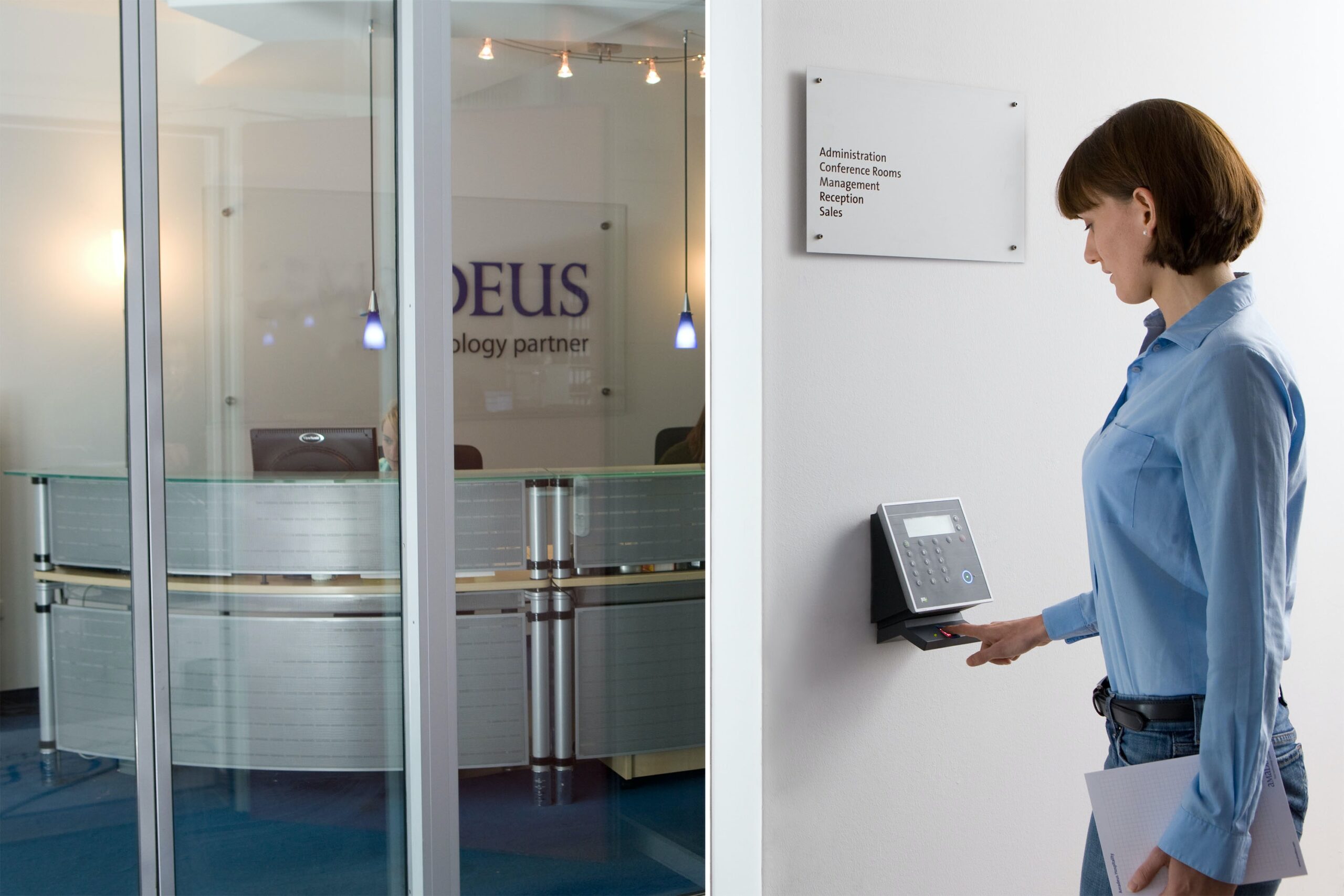
Among the various biometric authentication methods, fingerprint recognition stands as one of the most widely adopted. The distinctive ridges and valleys on an individual’s fingertip create a unique fingerprint pattern, serving as a secure identifier. According to a study by Grand View Research, the fingerprint recognition market is expected to maintain its dominance, accounting for the largest revenue share in the biometrics industry. Technology has found its way into our everyday lives, from unlocking smartphones to gaining access to secure facilities.

Facial Recognition: Where Technology Meets Convenience

Facial recognition technology has garnered significant attention due to its convenience and ease of use. The ability of computers to analyze and match facial features with stored templates has led to its integration in various sectors. Retailers utilize facial recognition for personalized marketing, law enforcement agencies employ it to identify suspects, and smartphones use it for effortless unlocking. However, concerns regarding privacy and potential misuse of facial data necessitate a careful balance between innovation and regulation.

Voice and Iris Recognition: A Sound and Insightful Approach

Voice recognition, relying on the unique vocal patterns of individuals, and iris recognition, analyzing the intricate designs within the iris, offer advanced biometric authentication options. The utilization of voice and iris recognition has gained traction in sectors demanding heightened security, such as banking and government institutions. The global rise in mobile banking, for instance, has spurred the integration of voice recognition as an additional layer of protection against unauthorized access.

The Role of Artificial Intelligence

Artificial Intelligence (AI) plays a pivotal role in enhancing the accuracy and efficiency of biometric security systems. Machine learning algorithms allow these systems to adapt and learn from new data, reducing the chances of false positives and negatives. Moreover, AI-powered biometric authentication continually refines its recognition capabilities, making it resilient to attempts at spoofing or mimicking biometric traits.

Challenges and Future Prospects

Despite the promising prospects of biometric security, challenges persist. Biometric data, once compromised, cannot be reset like a password. This raises concerns about the storage and protection of sensitive information. Additionally, the potential for bias within these systems, especially in facial recognition, demands a concerted effort to eliminate discriminatory practices.

The future of biometric security holds exciting possibilities. Multimodal biometrics, combining multiple forms of authentication, offers enhanced accuracy and safety. DNA-based biometrics, though in its nascent stages, could revolutionize the field by providing the most unique identifier of all. As organizations and individuals alike recognize the importance of securing digital identities, continued research and innovation will drive the evolution of biometric authentication.

Conclusion

As the world moves towards a digital-first future, ensuring robust cybersecurity becomes non-negotiable. Biometric security, with its advanced authentication methods relying on unique physical and behavioural traits, emerges as a futuristic solution to the vulnerabilities of traditional authentication. The rapid growth projected in the biometric technology market underscores its significance and potential. At the forefront of this technological revolution, companies like ‘Coding Brains‘ are committed to developing cutting-edge solutions that leverage biometric security to provide a safer digital landscape for individuals and businesses alike. With biometrics paving the way, the future of authentication is indeed secure and promising.


written by Faiz Akhtar for Coding brains section(s).

Quantum Computing: Navigating the Next Frontier of Computing Power

Quantum Computing: Navigating the Next Frontier of Computing Power

In the ever-expanding landscape of technology, groundbreaking innovation is poised to redefine the limits of computational power: quantum computing. As we stand on the precipice of a new era, the potential of quantum computing is nothing short of revolutionary.

Recent research statistics highlight its significance, projecting that the global quantum computing market will reach $2.2 billion by 2026.

In this article, we delve into the realm of quantum computing, exploring its underlying principles, applications, challenges, and how it’s navigating us toward the next frontier of computing power.

Unleashing Quantum Power

Quantum Computing is not just an evolutionary step; it’s a leap that transcends the boundaries of classical computing. Traditional computers use bits – binary units representing either 0 or 1 – as the fundamental building blocks. Quantum computers, on the other hand, utilize qubits, which can exist in multiple states simultaneously due to a phenomenon known as superposition. This inherent complexity grants quantum computers an unparalleled capacity for parallel processing, enabling them to solve complex problems at speeds that were previously unimaginable.

Applications Limited Only by Imagination

The applications of quantum computing are as diverse as the industries it touches, promising transformative breakthroughs:

Cryptography: Quantum computers have the potential to break traditional encryption methods, necessitating the development of quantum-safe cryptography.

Drug Discovery: Quantum computing can simulate molecular interactions with unprecedented accuracy, expediting drug discovery and development.

Optimization: Complex optimization problems, from supply chain management to financial modeling, can be solved more efficiently using quantum computing.

Machine Learning: Quantum algorithms can enhance machine learning processes, allowing for more accurate predictions and insights.

Challenges on the Quantum Horizon

Despite its immense potential, quantum computing is not without challenges. The delicate nature of qubits makes them susceptible to errors caused by environmental factors, a phenomenon known as quantum decoherence. Additionally, building and maintaining stable quantum computers is a complex task that requires maintaining extremely low temperatures. The field is also in its infancy, with the development of error-correcting codes and robust quantum algorithms remaining ongoing challenges.

Coding Brains: Shaping Quantum Possibilities

In this dynamic landscape of technological innovation, Coding Brains, a leading software development company, stands at the forefront of embracing quantum computing’s potential. With a deep understanding of cutting-edge technologies, we explore how quantum computing can revolutionize industries, enhance problem-solving capabilities, and drive innovation. Our commitment to pushing the boundaries of what’s possible ensures that we are poised to harness the power of quantum computing in ways that redefine our technological horizons.

Conclusion

Quantum computing represents a seismic shift in the realm of computation, promising to reshape industries, accelerate scientific discoveries, and transform how we understand complex problems. The unparalleled computational power offered by quantum computers has the potential to revolutionize cryptography, drug discovery, optimization, and machine learning. As researchers and businesses navigate the challenges of quantum computing, it’s a journey of exploration, innovation, and limitless possibilities. In this era of quantum promise, Coding Brains stands as a beacon, ready to chart new territories and create solutions that leverage the full power of quantum computing to shape a future defined by exponential technological advancement.


written by Faiz Akhtar for Coding brains section(s).

Edge Computing: Transforming Data Processing at the Fringe

Edge Computing: Transforming Data Processing at the Fringe

Enter edge computing, a revolutionary paradigm that is redefining how we handle data in a hyper-connected world. In the ever-evolving landscape of technology, where data reigns as the new currency, traditional data processing methods are facing their limits. This transformative approach brings computation and data storage closer to the source of data generation, revolutionizing industries, and unlocking a plethora of possibilities.

As per projections, the year 2025 is expected to witness an astonishing 75 billion devices interconnected globally, emphasizing the critical need for efficient data processing solutions.

In this blog post, we will delve into the concept of edge computing, its significance, applications, benefits, and how it’s shaping the future of data processing.

Understanding Edge Computing: A New Data Frontier

At its core, edge computing involves processing data as close to its source as possible, reducing latency and improving real-time decision-making. In the digital age, where the Internet of Things (IoT) and other data-intensive technologies have become commonplace, edge computing emerges as a solution to the challenges posed by centralized cloud computing. According to recent research statistics, by 2025, it’s estimated that nearly 75 billion devices will be connected to the internet, generating an unprecedented amount of data.

Traditional cloud computing often struggles to keep up with the demands of these devices, leading to latency issues and potential bottlenecks in data transfer. This is where edge computing steps in, distributing the computational load across localized nodes, ensuring efficient data processing and reducing the strain on central servers.

Applications Driving the Edge Revolution

Edge computing finds its application in various fields, from healthcare and manufacturing to transportation and entertainment. Consider the healthcare sector, where real-time analysis of patient data is critical. Edge computing enables wearable devices to process and analyze vital signs locally, providing immediate insights to healthcare professionals without the need for constant internet connectivity. Similarly, in manufacturing, edge devices can monitor equipment health, detect anomalies, and optimize operations on the factory floor.

Autonomous vehicles are another prime example. These vehicles require split-second decision-making, and edge computing equips them with the ability to process data from sensors and cameras in real-time, enhancing safety and responsiveness on the road.

Benefits Galore: Why Edge Computing Matters

The rise of edge computing brings forth a multitude of benefits, making it a game-changer in the tech realm. First and foremost, reduced latency is a hallmark advantage. By processing data closer to its source, edge computing minimizes the time it takes for data to travel, resulting in faster response times and improved user experiences. Whether it’s a video stream loading seamlessly or a critical command reaching an autonomous drone instantaneously, every millisecond saved matters.

Moreover, edge computing enhances data privacy and security. With sensitive information processed locally, the risk of data breaches during transit to centralized servers is mitigated. This is particularly crucial in sectors like finance and healthcare, where data confidentiality is paramount.

Scalability and cost-efficiency also come to the forefront. Edge computing allows organizations to scale their operations without overburdening central servers, distributing the workload intelligently. This leads to optimized resource utilization and cost savings.

Shaping the Future: Edge Computing’s Trajectory

As technology continues to advance, the trajectory of edge computing looks promising. The proliferation of 5G networks further fuels its potential, offering high-speed, low-latency connectivity that complements edge computing perfectly. This synergy opens doors to new possibilities in augmented reality (AR), virtual reality (VR), and immersive gaming experiences, where real-time processing and minimal lag are imperative.

The integration of edge computing with AI and machine learning amplifies its capabilities. Localized AI processing enables quicker insights and predictive analytics, enabling industries to make informed decisions on the spot. For instance, in agriculture, edge devices equipped with AI can analyze soil conditions and weather patterns, guiding farmers in optimizing their crop yields.

Conclusion

In the rapidly evolving landscape of data processing, edge computing stands out as a transformative force. Its ability to process data at the fringe, closer to the source, brings unparalleled benefits to various sectors, from healthcare and manufacturing to autonomous vehicles and entertainment. Reduced latency, enhanced security, scalability, and compatibility with emerging technologies make edge computing a cornerstone of innovation.

As we move forward into a future driven by data, it’s crucial to embrace cutting-edge solutions that empower businesses and industries to thrive in the digital age. At Coding Brains, we are at the forefront of software development, leveraging technologies like edge computing to create robust and tailored solutions for our clients. With our expertise and commitment to innovation, we are poised to shape the future of data processing and drive technological evolution.


written by Faiz Akhtar for Coding brains section(s).

The Advantages and Importance of Investment Management Software in Modern Financial Planning

The Advantages and Importance of Investment Management Software in Modern Financial Planning

In the fast-paced and ever-changing world of finance, investment management software has emerged as a crucial tool for investors and financial professionals alike. This sophisticated software leverages advanced analytics and automation to streamline processes, analyze data, and optimize investment strategies.

According to recent research, 85% of financial advisors have reported improved portfolio management efficiency and increased client satisfaction after adopting investment management software.

In this blog, we will explore the key advantages of this software and highlight its growing importance in modern financial planning.

Advantages of Investment Management Software

Enhanced Portfolio Analysis

Investment management software offers robust analytical capabilities, enabling investors to conduct in-depth portfolio analysis. With real-time data and advanced performance metrics, users can assess the performance of various assets, identify risks, and track historical trends. This comprehensive analysis empowers investors to make informed decisions and adjust their portfolios accordingly to optimize returns.

Automated Rebalancing

Maintaining a balanced investment portfolio is crucial for managing risk and maximizing returns. Investment management software automates the rebalancing process, ensuring that the portfolio’s asset allocation stays on track with the set investment strategy. By automatically buying and selling assets as needed, this feature saves time and reduces the likelihood of human errors, providing investors with peace of mind.

Risk Management and Compliance

Compliance with regulations is a significant concern for financial professionals managing clients’ assets. Investment management software incorporates risk management tools that help assess risk exposure across different assets and align investments with clients’ risk tolerances. Additionally, it aids in meeting regulatory requirements and reporting obligations efficiently, reducing compliance-related burdens.

Diversification Strategies

Diversification is a fundamental principle of sound investing. Investment management software can run simulations and stress tests to evaluate the impact of different diversification strategies on portfolio performance. By analyzing correlations and optimizing allocations, investors can create well-diversified portfolios that mitigate risk and improve long-term returns.

Performance Tracking and Reporting

Keeping track of portfolio performance is critical to measure success and make data-driven decisions. Investment management software offers robust reporting capabilities, presenting data in clear and visually appealing formats. Investors can monitor historical performance, compare it against benchmarks, and communicate results effectively to clients or stakeholders.

Importance of Investment Management Software in Modern Financial Planning:

Real-Time Decision Making

In today’s fast-paced financial landscape, making real-time decisions is crucial. Investment management software provides up-to-date information, allowing investors and financial professionals to respond quickly to market changes and take advantage of emerging opportunities.

Improved Client Engagement

Investment management software enhances client engagement by offering interactive reporting and personalized insights. Through clear visualizations and easy-to-understand data, advisors can communicate complex financial information effectively, thereby building trust and long-lasting relationships with their clients.

Scalability and Efficiency

As assets under management grow, investment management software can scale seamlessly to accommodate the increasing complexity of portfolios. Automation streamlines processes, reducing manual tasks and enhancing overall operational efficiency for financial firms.

Conclusion

In the dynamic world of finance, investment management software has become an indispensable tool for investors and financial professionals. This software streamlines financial planning processes and improves decision-making capabilities by offering enhanced portfolio analysis, automated rebalancing, and effective risk management. As the economic landscape continues to evolve, the importance of investment management software will only increase.

At Coding Brains, we understand the transformative power of technology in modern financial planning. As a leading software development company, we specialize in building innovative investment management solutions tailored to meet the unique needs of our clients. With our expertise, financial professionals can leverage cutting-edge technology to achieve their goals and deliver exceptional services to their clients.


written by Faiz Akhtar for Coding brains section(s).

Harnessing Innovation: How New Tech is Reshaping Business Dynamics

Harnessing Innovation: How New Tech is Reshaping Business Dynamics

In today’s fast-paced digital landscape, harnessing innovation has become a key differentiator for businesses seeking growth and success. The emergence of new technologies is revolutionizing the way companies operate, interact with customers, and stay competitive in their respective industries.

According to recent research, 83% of businesses that actively adopt new tech solutions report increased productivity and efficiency.

In this blog, we will explore the transformative impact of cutting-edge technologies on various aspects of business dynamics, from streamlined operations to enhanced customer experiences.

1. Embracing Artificial Intelligence (AI) and Machine Learning (ML):

The integration of AI and ML technologies is reshaping business dynamics across various sectors. Smart algorithms analyze vast datasets, providing valuable insights into customer behaviour, preferences, and market trends. By harnessing AI-powered chatbots, businesses can enhance customer support and engagement, ensuring round-the-clock assistance. Furthermore, ML algorithms optimize supply chain management, inventory forecasting, and resource allocation, driving operational efficiency and cost savings.

2. The Power of Internet of Things (IoT):

IoT is revolutionizing the way businesses collect and leverage data. With interconnected devices and sensors, companies can monitor assets, track product performance, and analyze real-time data to make data-driven decisions. This technology is transforming industries like manufacturing, logistics, and healthcare, enabling predictive maintenance, reducing downtime, and improving overall operational efficiency.

3. Blockchain and Enhanced Security:

Blockchain technology is redefining data security and trust in business transactions. Its decentralized nature ensures tamper-proof record-keeping and transparent supply chains. Companies can streamline complex processes like contract management, financial transactions, and identity verification with heightened security and reduced fraud risk. The integration of blockchain is fostering trust among customers and partners, leading to stronger business relationships.

4. Cloud Computing for Scalability and Flexibility:

Cloud computing has become a foundational element for businesses of all sizes. By migrating to the cloud, companies gain access to scalable computing resources, enabling seamless expansion as their needs grow. Cloud-based services offer cost-effective solutions, eliminating the need for large upfront investments in IT infrastructure. Moreover, employees can collaborate remotely and access critical data from any location, enhancing productivity and work-life balance.

5. Augmented and Virtual Reality (AR/VR) for Enhanced Experiences:

AR and VR technologies are transforming customer experiences and employee training. Retailers are leveraging AR to offer virtual try-on experiences, enhancing customer satisfaction and reducing returns. In the realm of employee training, VR simulations provide immersive and risk-free environments for learning complex tasks, improving skill development and knowledge retention.

Conclusion:
In today’s dynamic business landscape, embracing new technologies is essential for companies striving to stay ahead. The transformative impact of AI, ML, IoT, blockchain, cloud computing, and AR/VR is reshaping how businesses operate, engage with customers, and helps in harnessing innovation. As a leading software development company, Coding Brains is committed to helping businesses harness these cutting-edge technologies to achieve their goals. With our expertise in developing bespoke solutions, we empower businesses to adapt, innovate, and thrive in the ever-evolving digital era.


written by Faiz Akhtar for Coding brains section(s).
 
Recent Posts
About Company

  • We are programming since 2011
  • Working Live U.S. Day Time 8:00 am PST to 6:00 PM
  • Combined Team Experience of more than 20 years
  • Strong Team of 85+ and growing rapidly
  • Top Product and Mobile Development Firm
  • Top Rated on Multiple Forms and marketplaces
  • We are just not Coders but Thinkers as well.

Request a Quote